-
Laserschneiden von Siliziumwafern für NIST zur Förderung des Standards der Solarindustrie

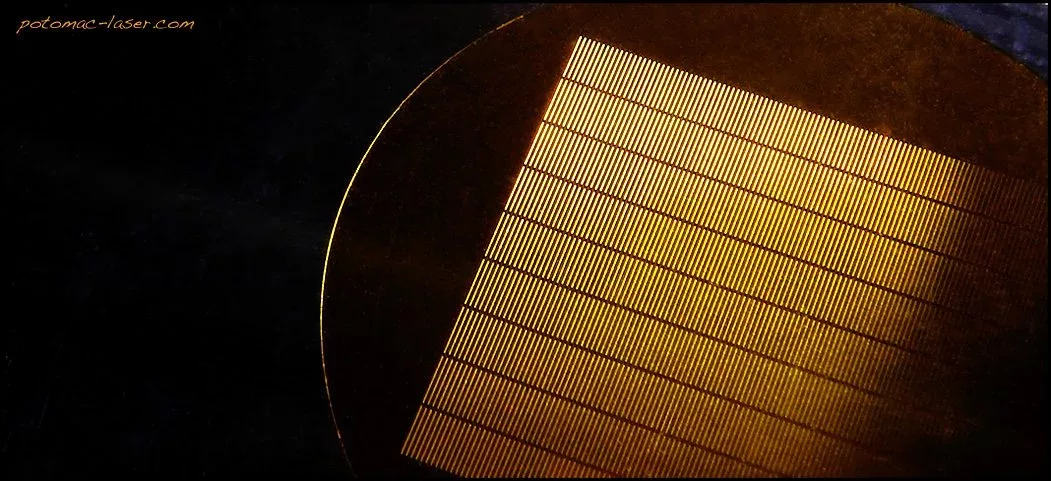
Potomac’s Photonics expertise in laser micromachining fragile materials helps NIST test new solar cells to ensure the solar energy industry’s manufacturing standards. Solar energy is the fastest growing source of energy in the United States and the total install base is expanding exponentially. With explosive growth comes the need for better photovoltaic [PV] cells in…
-
Laser-Mikrobearbeitung von Polymerschablonen hilft bei der Erzeugung von Stammzelllinien am Stanford Cardiovascular Institute
In the Pharmaceutical industry more and more drugs never make it out of the lab to reach the patients that need treatment. Costs are not only high to the companies that have placed big R&D bets to develop novel drugs, but also to the patients who cannot be helped and the insurance companies who must…
-
Jobchancen in der fortgeschrittenen Fertigung durch STEM-Ausbildung für mittlere Qualifikationen

In recent years there’s been a lot of talk about STEM education. STEM comprises Science – Technology – Engineering – Math and sometimes is called STEAM when Art is added into the mix in order to include the design component. STEM education is important because more and more studies demonstrate that in the next industrial…
-
2015: Das Jahr im Rückblick für Potomac
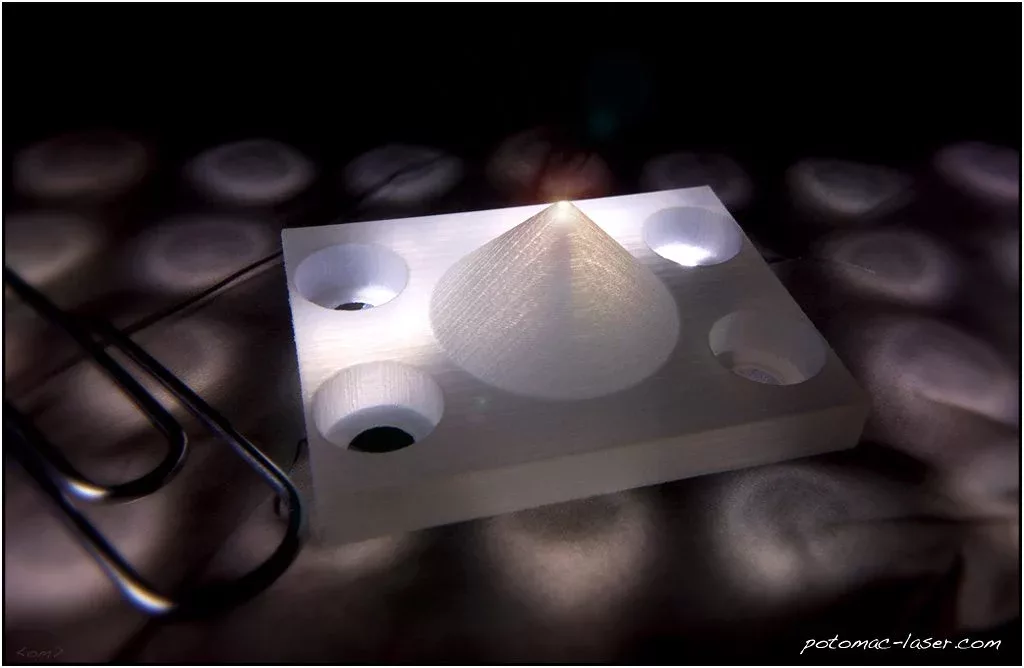
2015 has yet again proven to be a great year at Potomac! We continually strive to be on the cutting edge [pun intended!] of digital fabrication by utilizing the latest tools for laser micromachining, 3D printing, CNC machining, laser marking and other manufacturing processes. But we go beyond just buying the best new machines. Here’s…
-
Wann man sich für die Lasermikrobearbeitung entscheidet Teil 4: Toleranz und Genauigkeit
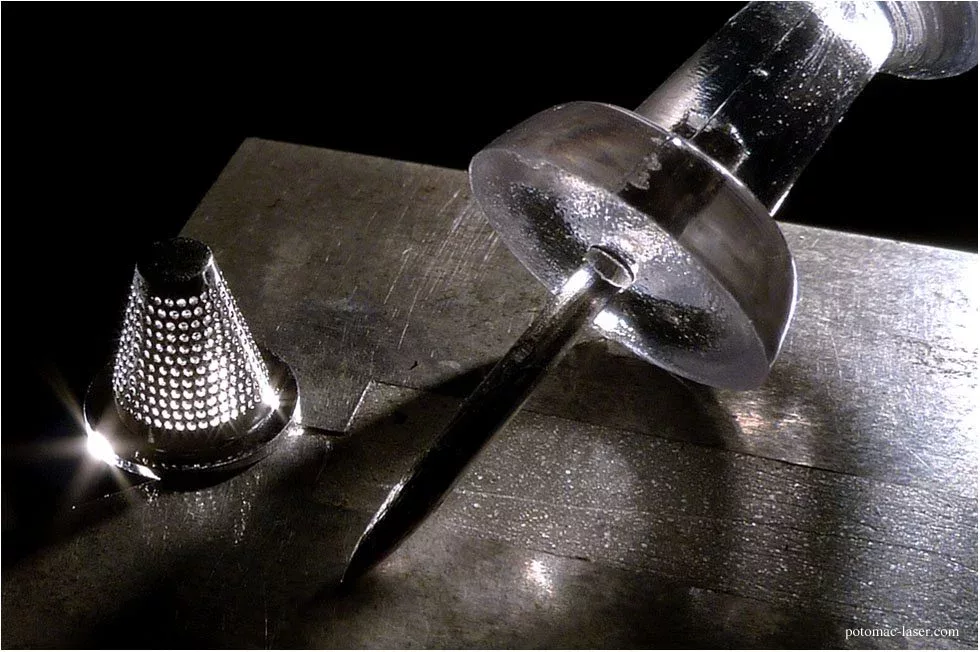
Laser micromachining at very small spatial scales demands special attention to precision. Anyone who has ever tried to assemble DIY furniture where holes were slightly off from part to part knows the frustration part variation can cause even for simple home projects. As you can imagine, precision takes on new meaning when drilling holes that…
-
Frohes Thanksgiving von Potomac Photonics
-
Wann man sich für die Lasermikrobearbeitung entscheidet Teil 3: Erstellen von Löchern, Schnitten und Merkmalen mit glatten Oberflächen
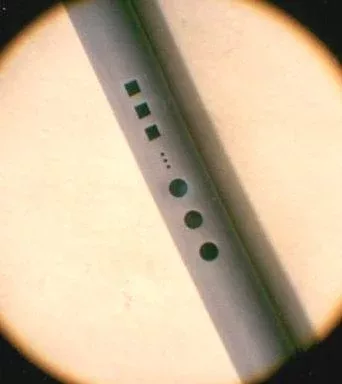
At Potomac innovation is not just another buzzword. Everyone, from our engineers to the operators on the shop floor, is continually looking for new ways to push the limits of standard laser micromachining technology. Almost perfectly smooth parts have been one of the manufacturing technology quests Potomac has successfully conquered through in-house manufacturing process innovation.…
-
Wann man sich für die Lasermikrobearbeitung entscheidet - Teil 2: Die Grenzen des Kleinen verschieben
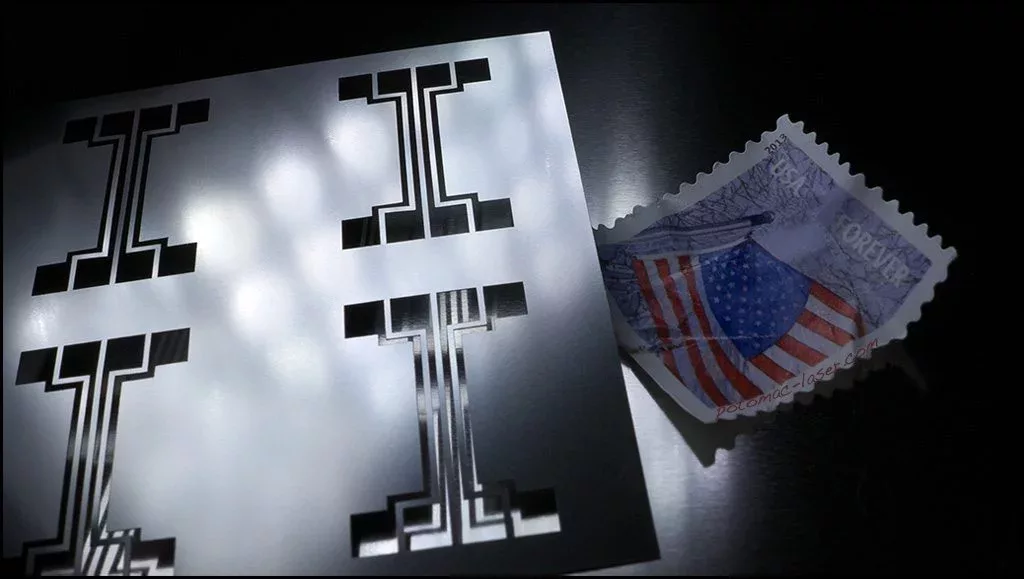
When we need to make very small holes, cuts, lines and features laser micromachining is usually the best choice in our digital fabrication toolbox. Lasers that emit light in the ultraviolet region of the spectrum are especially useful in biotech and medical device applications since they can create features as small as 1 micron –…
-
Wann man sich für die Lasermikrobearbeitung entscheidet Teil 1: Materialabsorption der Laserwellenlänge
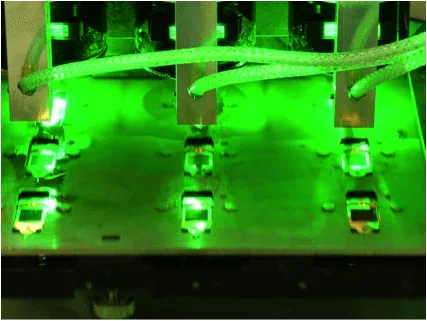
All material processing starts, of course, with the material. Laser micromachining is a good option for manufacturing parts since materials absorb light resulting in a physical transformation of the material’s structure. Whether it’s a thermal process as with infrared lasers or the ultraviolet lasers’ photo-ablative mechanism, laser light can drill holes, cut, weld, and mark…
-
Wann sollte man sich für die Laser-Mikrobearbeitungsserie entscheiden?

At Potomac we like to say that despite the mainstream media hype, 3D Printing is not yet the Star Trek replicator. The same is true for all the technologies we use to make products for our customers. From prototype to production, manufacturing tools are seldom a one-stop solution to making anything and are often used…
-
3D-Druck, die Orioles und die Verwirklichung von Wünschen

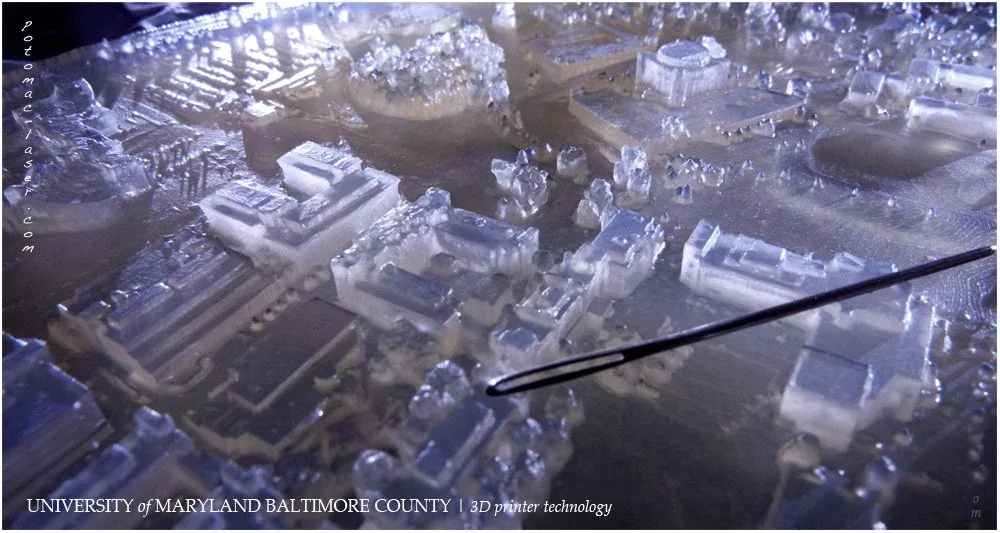
In recent years Potomac has added 3D Printing to our Digital Fabrication toolkit, integrating the additive manufacturing process with laser micromachining, micro CNC machining and other technologies to solve complex manufacturing problems. We’re pushing the envelope of 3D printing limitations especially in the medical device and biotech fields. But sometimes it’s the simplest of applications…
-
Die Zusammenarbeit von Potomac mit dem Fab Lab am Community College of Baltimore County erweist sich als öffentlich-private Partnerschaft, von der beide Seiten profitieren
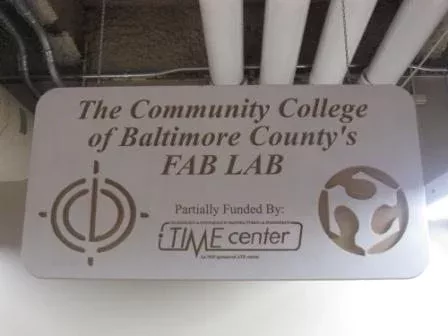
How we helped Fab Lab Baltimore and in the process gained valuable workforce development. Potomac’s move to the UMBC campus has reaped a number of benefits for Potomac, one of which was most unexpected. The new facility is located about a mile from the Community College of Baltimore County [CCBC] where Fab Lab Baltimore [FLB]…