Potomac è leader nella perforazione laser di fori calibrati per applicazioni di prova di tenuta.
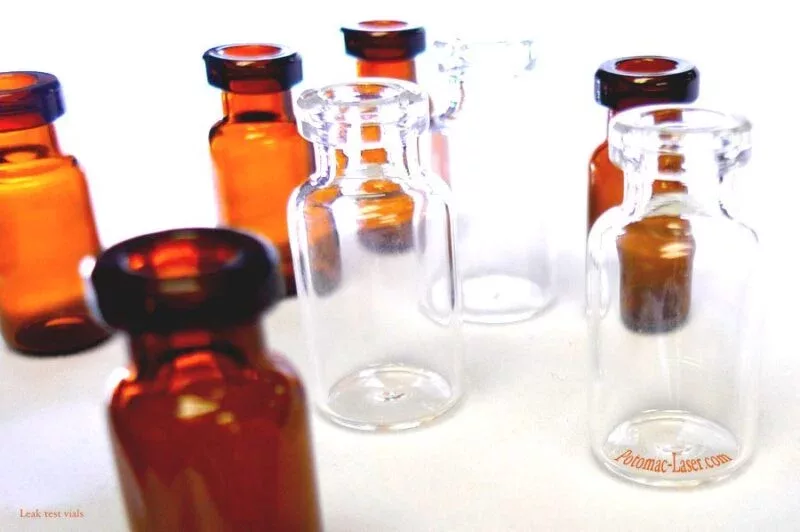
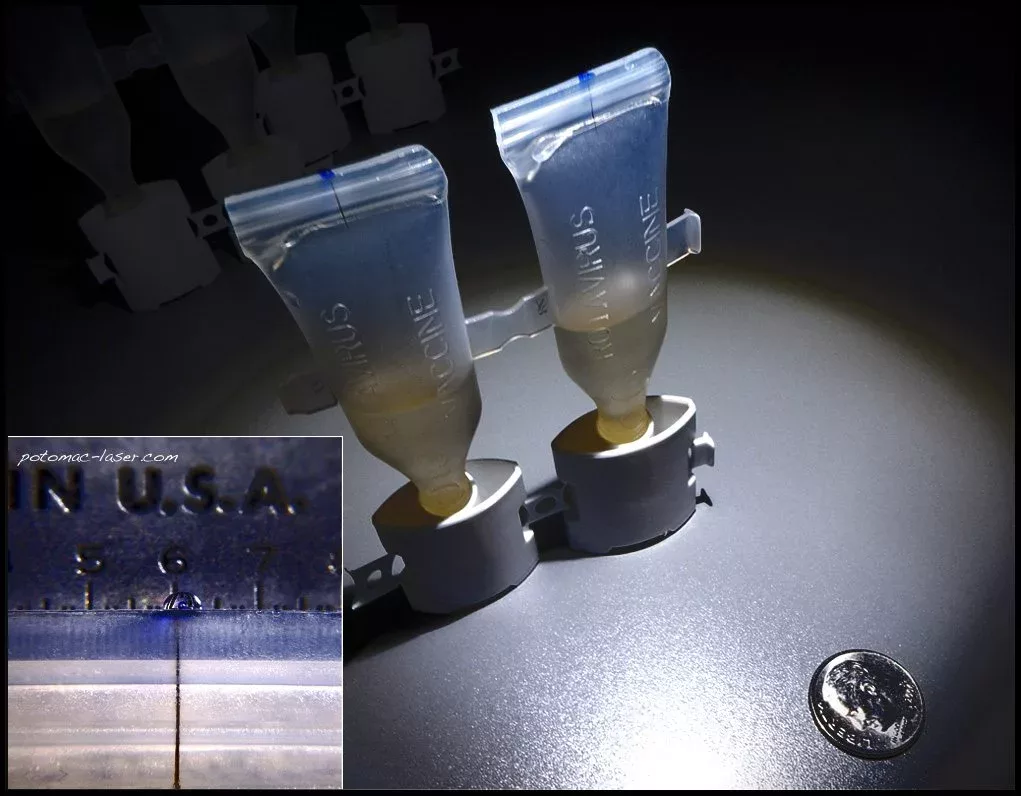
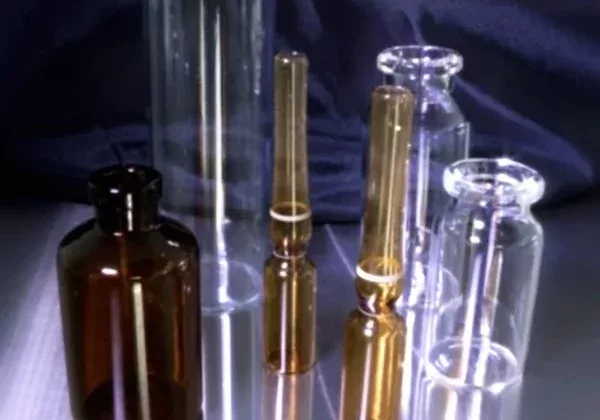
Potomac is able to laser drill micro-holes into glass and polymer vials/ampules for the purpose of leak-test hole system validation. A range of hole sizes can be created in order to replicate defects in vials for use when calibrating leak detection devices. Depending upon the wall thickness of the vial/ampule, hole sizes can be as small as 1µm. In addition to vials, foil and blister packs can also be laser drilled. Potomac Photonics is ISO 13485 certified, and we have drilled hundreds of thousands of packages for the pharmaceutical, food and medical industries.
What is Container Closure Integrity Testing (CCIT) or Leak-Testing?
Leak testing or Container Closure Integrity Testing (CCIT) is an assay that evaluates the adequacy of container closure systems to maintain a sterile barrier against potential contaminants. Contaminants that could potentially cross a container closure barrier include microorganisms, reactive gases, and other substances (USP <1207>). Container closure systems should maintain the sterility and product quality of sterile final pharmaceutical, biological, and vaccine products throughout their shelf-life (Ewan, S. et al., 2015).
Container closure systems are composed of primary and secondary packaging components (USP <1207>). Primary packaging components are those that come into direct contact with the product, such as glass vials or syringes. Secondary packaging components play a critical role in ensuring proper package assembly, such as aluminum caps placed over stoppers (USP <1207>). (Source: American Pharmaceutical Review)
Advantages of Laser-Drilled Leak-Test Holes:
- Difetti realistici : assomigliano molto ai difetti naturali del vetro (ad esempio crepe) e dei polimeri (ad esempio fori di spillo).
- Precisione : è possibile ottenere tolleranze ristrette su vari materiali e spessori.
- Personalizzazione : i diametri dei fori e i pacchetti di calibrazione possono essere personalizzati per soddisfare le esigenze specifiche del cliente.
Potomac Leak-Test Micro-Hole Drilling Capabilities
- Leak test holes as small as 2 micron.
- Posizionamento accurato del foro di perdita.
- Consegna rapida se richiesta.
- Our measurement equipment is calibrated utilizing a NIST-traceable standard.
- We have partnered with industry leaders to provide them with leak-test holes that are compatible with all detection technologies.
A certificate of Conformance and Quality Data Sheet is included with each leak-test hole-drilling order.
Our customers partner with us to drill leak-test holes for testing methods such as:
- Test di conduttività elettrica e capacità (HVLD)
- Analisi dello spazio di testa del gas basata sul laser
- Estrazione di massa
- Decadimento della pressione
- Gas tracciante (modalità vuoto)
- Decadimento del vuoto
Industries & Applications:
- Farmaceutico
- Dispositivi medici
- Biotecnologia
- Food Packaging
Types of Packaging:
- Fiale
- Ampules
- Buste (piene o vuote)
- Borse
- Bottiglie riempite e sigillate
- Contenitori metallici
- Foils and blister packs

Also From the Goodfellow Group
Leak test hole drilling is performed across glass vials, polymer ampoules, blister packs, foils, and pouches. Goodfellow supplies pharmaceutical- and packaging-grade glass, polymer films, and metal foils — the primary container materials used in CCIT calibration programmes — in small quantities suitable for validation work.
Source glass, polymer, and foil packaging materials from Goodfellow.
Independent dimensional verification of calibrated leak holes — including SEM imaging to confirm hole diameter, geometry, and wall integrity — is available through Goodfellow’s ISO 17025-accredited materials testing division. This supports validation documentation requirements for pharmaceutical and medical device quality systems.
Verify calibrated hole dimensions with independent accredited analysis.