
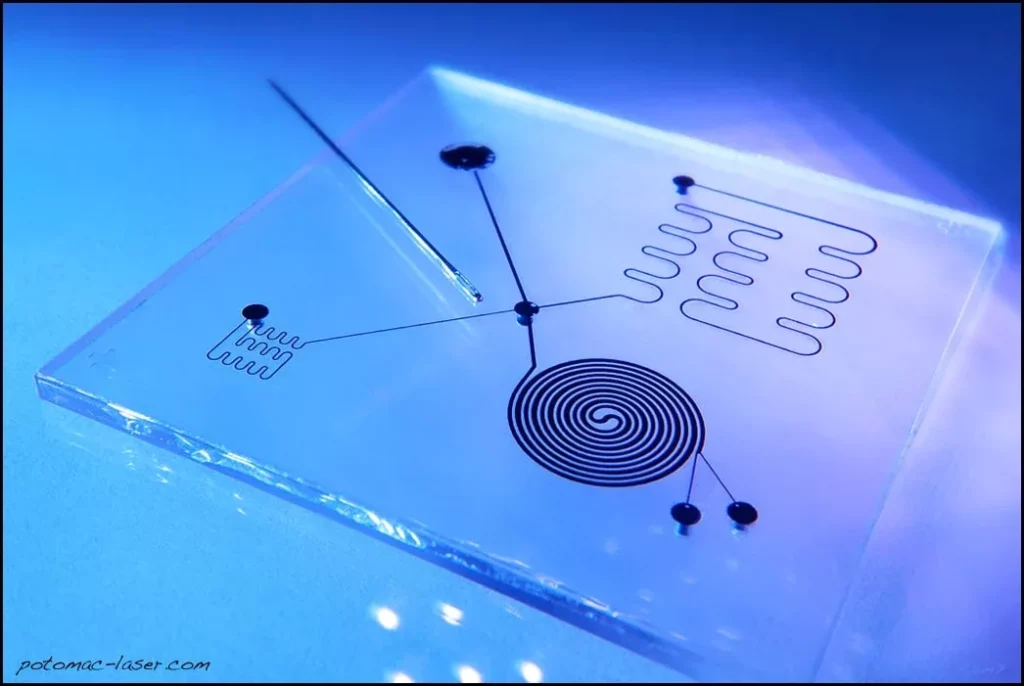
从原型设计到全面生产的微流体设备快速制造
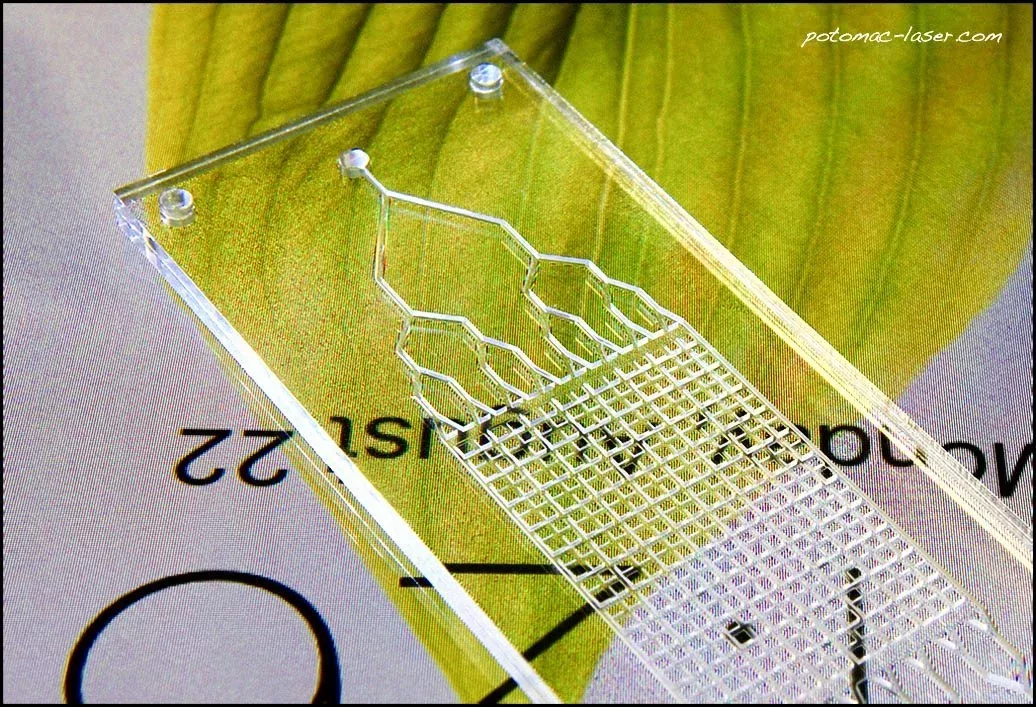
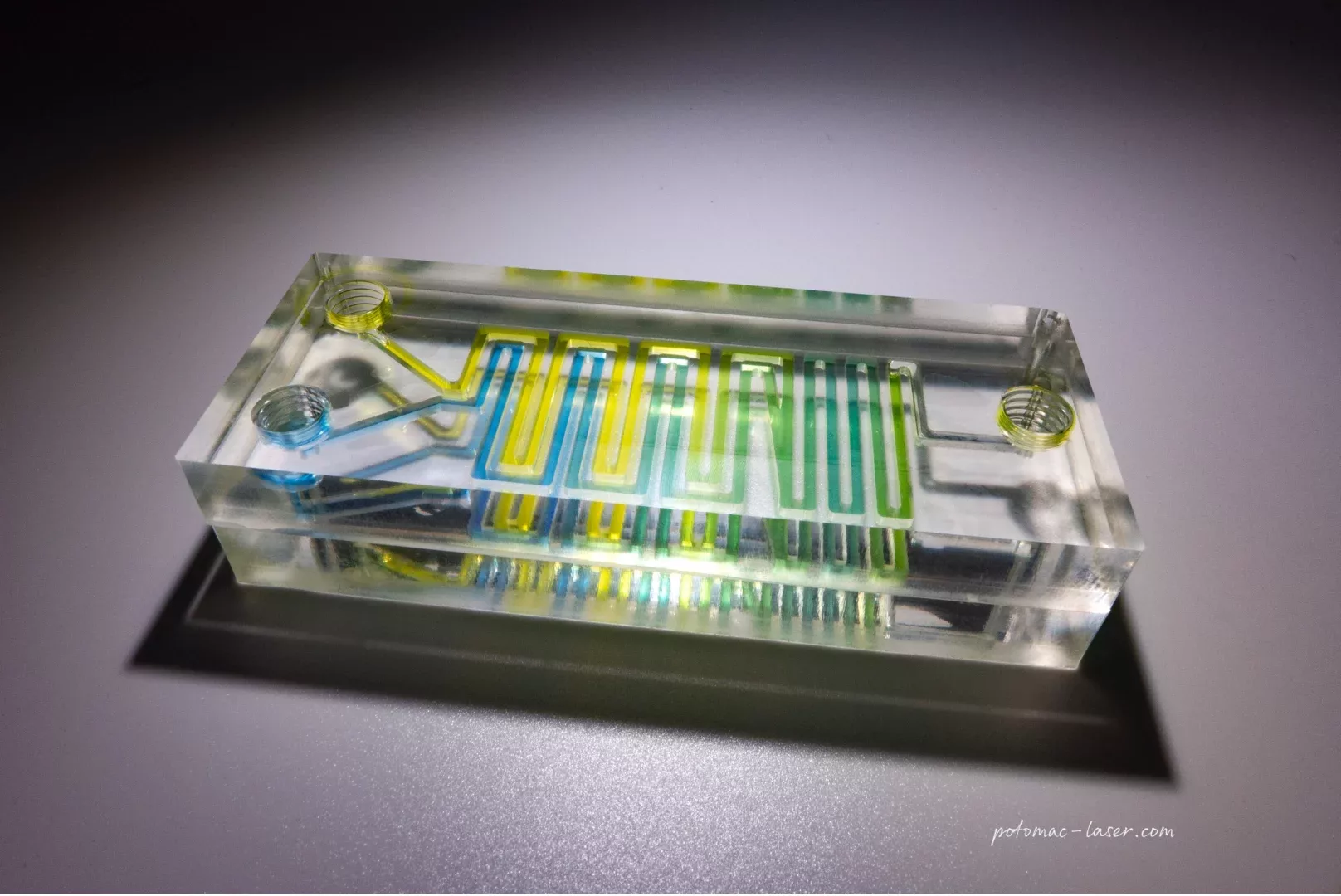
Potomac’s extensive array of microfabrication tools and technologies has revolutionized the accessibility of microfluidic devices. By harnessing the power of lasers, micro-CNC, hot embossing, and micro-3D printing, we have shattered the longstanding barriers that once hindered microfluidics from widespread adoption. Our commitment is to deliver innovative technologies that accelerate the development process, significantly reduce prototype costs, and provide a tailored customization approach. With a strategy focused on meeting deadlines and achieving target production pricing, we have made microfluidic devices more accessible than ever before
With a focus on speed and efficiency, we initially collaborate with the customer to thoroughly understand their specific requirements and develop a customized manufacturing process for each layer of the microfluidic devices. Depending on the feature sizes, tolerances, and materials required, this may involve a variety of techniques including lasers, hot embossing, injection molding, micro-CNC, among others. We pay particular attention to downstream processes such as bonding, ensuring that each layer is produced in a way that guarantees optimal results during the final assembly. Our approach is tailored to deliver speed without compromising quality, making advanced microfluidics more accessible and practical for our customers.
我们的第一步是对微流体项目进行全面评估,以确定零件制造所需的确切制造工艺。根据项目的技术复杂性和生产量,我们将分配给一个在微加工方面拥有深厚知识的专业专家团队。该团队将与您进行详细合作,重点关注技术规格,例如材料特性、尺寸公差和制造技术。他们还将确保符合您项目的时间表、预算限制和可扩展性要求。我们承诺提供一条精密、精确和高效的途径,将您的先进微流体设计变为现实。
Potomac Photonics 微流体制造工具箱
在 Potomac Photonics,我们提供一套全面的微流体制造技术,旨在满足客户的各种需求。我们拥有最先进的设施和经验丰富的团队,能够为各种应用提供定制解决方案。探索我们的微流体制造工具箱:
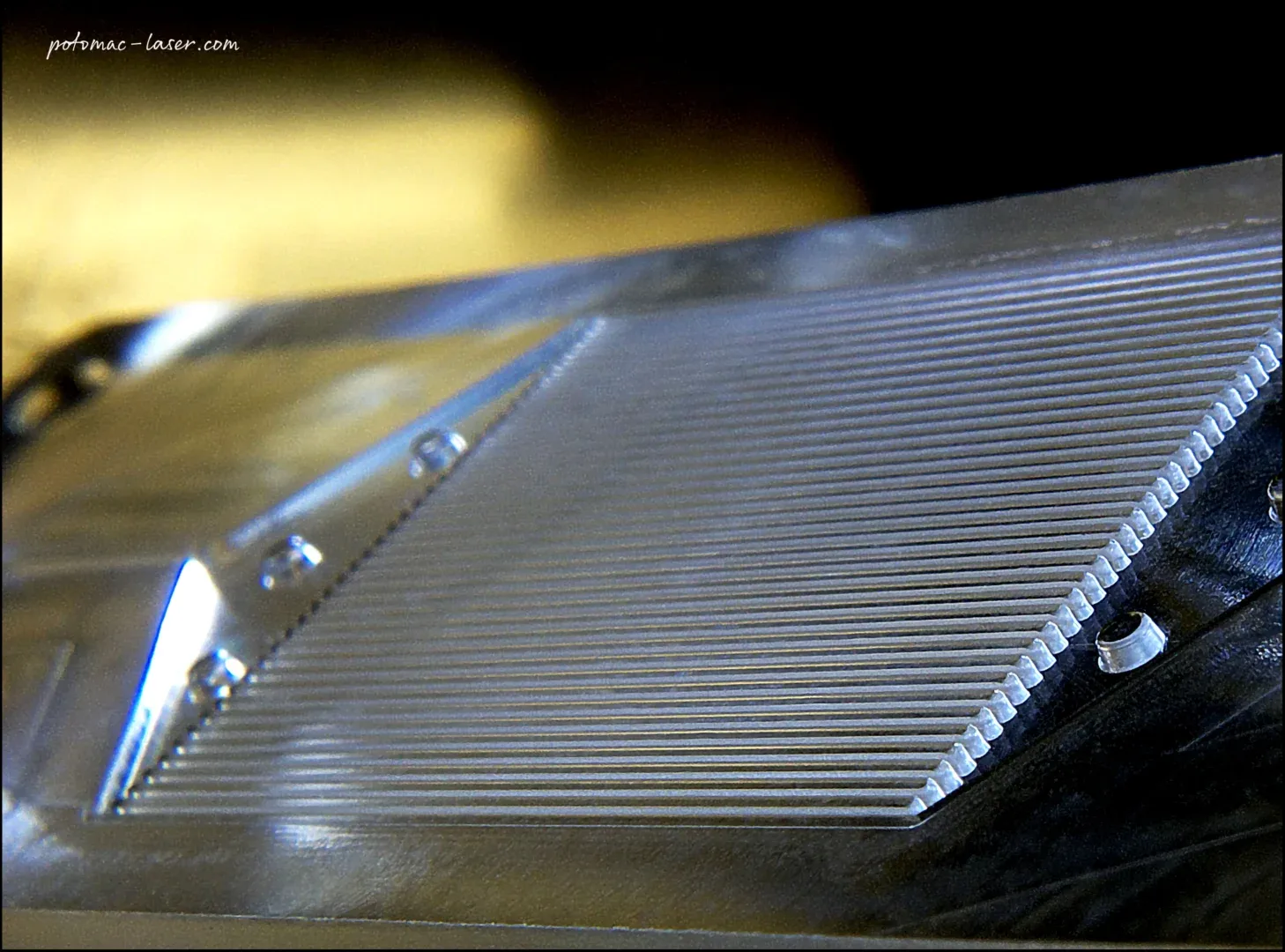
1 .Micro-CNC Milling:
High-precision milling for creating intricate microfluidic channels and structures with tight tolerances and complex geometries
2. Soft Lithography:
Fabrication of microfluidic devices using elastomeric materials like PDMS, perfect for biological applications and flexible device structures.
3. Hot Embossing:
Replication of microscale features onto thermoplastic substrates through precise temperature and pressure control for high-fidelity patterns.
4. Laser Ablation:
High-precision material removal at the microscale to create complex microfluidic patterns without damaging surrounding areas.
5. Thin Film Deposition:
Application of thin material layers onto substrates to create functional coatings or multi-layer microfluidic structures.
6. Bonding and Assembly:
Advanced techniques for bonding microfluidic device layers, including thermal, solvent, and adhesive bonding methods.
7. Surface Modification:
Tailoring of surface properties through chemical treatments or coatings to enhance device performance and functionality.
8. Material Processing:
Expertise in working with a wide range of materials such as polymers, glass, silicon, metals, and ceramics to meet specific application needs.
9. Prototyping and Scale-Up:
Rapid prototyping services to accelerate development cycles, with capabilities to scale up from small batches to high-volume manufacturing.
10. Quality Assurance and Metrology:
Comprehensive quality control processes and advanced metrology equipment to ensure all device specifications and standards are met.
我们的微流体制造工具箱旨在为您提供实现创新想法所需的灵活性和精确度。无论您从事的是生物医学、诊断、生命科学还是任何需要微尺度流体控制的行业,我们都拥有专业知识和技术来支持您的项目从概念到生产。
Contact us below today to learn how Potomac Photonics can assist with your microfluidic fabrication needs.
Also From the Goodfellow Group
Microfluidic chip performance is directly influenced by substrate selection. Goodfellow supplies microfluidic-grade polymer films — including COC, PMMA, and polycarbonate — as well as optical borosilicate glass and PDMS precursor materials, in precision thicknesses suitable for chip fabrication.
Source your microfluidic substrate from Goodfellow.
Finished microfluidic devices can be assessed for channel dimensional accuracy, bonding layer integrity, surface chemistry, and biocompatibility through Goodfellow’s ISO 17025-accredited materials testing division.
Validate your microfluidic chip before clinical, diagnostic, or research deployment.